Key Steps for Effective Roof Repair After Storm Damage in North Texas
Living in North Texas means knowing storm season is part of the deal. Spring and late summer bring sudden hail, high winds, and heavy rain that can leave a roof looking like it went through a war. I have been through enough of these storms to recognize the mix of urgency and confusion that hits a homeowner right after the clouds clear. The first instinct is often to call someone and hope the problem goes away. But a little bit of knowledge about what actually happens during a roof repair after storm event can save you time, money, and a lot of stress.
I have seen roofs in Dallas and Fort Worth that looked fine from the ground but were hiding serious issues under the surface. Hail damage is especially tricky. You might see a few dents on a metal roof or some granules missing from shingles, but the real trouble is often in the seals around vents, pipes, and flashing. That is where water finds a way in. A good roof inspection after a storm should always include a close look at those vulnerable spots. Do not just look up from the driveway. Get someone on the roof who knows what they are doing.
First Things First: Safety and Temporary Protection
Before anything else, make sure the building is safe to enter and the area around it is clear of loose debris. If there are power lines down or large branches on the roof, stay out and call the utility company or a professional. Once it is safe, your priority is stopping more water from getting inside. That is where a tarp comes in. A well-secured tarp can buy you days or even weeks while you figure out the rest. I have seen people try to patch a hole with duct tape and plastic sheeting, but that rarely holds in any kind of wind. Use grommets, heavy-duty rope, and sandbags or bricks if you have to. A roofing contractor will usually put a tarp on as part of an emergency visit, but if you can do it yourself, do it right.
Document Everything for Your Insurance Claim
Insurance companies want proof. Before any work starts, take photos and videos of every bit of damage you can see. Get wide shots of the whole roof and close-ups of torn shingles, dented metal panels, or broken flashing. If you have a drone, use it. If not, a long ladder and a camera phone work fine. Write down the date and time of the storm, keep any weather alerts, and save the contact info of the adjuster. A clear record makes the insurance claim process smoother. I have watched too many homeowners lose out because they did not document the damage before the roofer started repairs. The adjuster needs to see what the storm did, not what the roofer fixed.
Assessing the Damage: What to Look For
Not all damage is obvious. Here is a short list of things a thorough inspection should cover:
- Missing or cracked shingles, especially on ridges and valleys
- Dents or punctures in metal roofing, particularly around fasteners
- Gaps or lifted edges where wind uplift may have pulled flashing loose
- Clogged or damaged gutters and downspouts that can cause water to back up under the roof edge
- Signs of water stains on interior ceilings or walls, which mean the leak is already active
If you see any of these, you need a professional assessment. A roofer will also check for less visible problems like loose fasteners or deteriorated sealant. Do not try to walk on a wet or steep roof yourself. It is not worth the risk.
Choosing Materials and a Contractor
Once you know what needs fixing, the next question is what materials to use. In North Texas, shingles from GAF or Owens Corning are common choices for sloped roofs. They hold up well against hail if you use impact-resistant grades. For flat or low-slope roofs, metal roofing is popular because it sheds water fast and stands up to wind. But metal can dent from hail, and dents can lead to leaks if the coating is damaged. A good contractor will talk you through the trade-offs based on your roof's pitch, your budget, and the typical weather in your area.
Finding the right roofing contractor is just as important as choosing the right shingle. Look for someone with a physical address in your area, a valid license, and a solid record with the better business bureau. Ask for references and check recent work. A reputable contractor will also help you with the insurance claim, not just by providing estimates but by explaining what the adjuster will look for. Avoid anyone who shows up uninvited after a storm. Storm chasers are real, and they often do shoddy work or disappear after the check clears.
Beyond the Immediate Fix: Long-Term Considerations
A roof repair after storm is a good time to think about upgrades that can prevent future problems. For example, adding roof ventilation can reduce heat buildup in the attic, which helps shingles last longer and cuts cooling costs. Better ventilation also helps prevent ice dams in winter, though that is more of a concern in colder climates than here. Still, it matters when we get those rare freezing spells. Another smart add-on is leaf guard on gutters. After a storm, leaves and debris can clog gutters fast, leading to water backup that seeps under the roof edge. A simple guard costs little and saves a lot of hassle.
Energy efficiency is another angle worth considering. A damaged roof is already getting replaced or repaired, so it is the perfect time to add reflective coatings or upgrade insulation. Some materials, like cool-roof coatings on metal roofing, can lower your attic temperature by several degrees. That translates to lower electric bills during our hot summers. Ask your contractor about options that fit your roof type and budget.

Water Damage and Mold: The Hidden Costs of Delay
Every hour a leak goes unfixed, water soaks deeper into wood, drywall, and insulation. Water damage is not just about stained ceilings. It can rot structural framing, ruin electrical systems, and create the perfect environment for mold remediation later. Mold can start growing within 24 to 48 hours in warm, damp conditions. That is not an exaggeration. I have seen entire sections of attic sheathing turn black in less than a week after a bad storm because the homeowner waited for the insurance adjuster before putting a tarp on. Do not wait. Protect the interior first, then document everything for the claim.
When to Call a Professional
Some things you can handle yourself. Clearing debris from gutters, taking photos, and maybe tarping a small area are all doable. But anything involving removing shingles, working near power lines, or climbing on a steep roof should be left to a pro. A good rule of thumb is this: if you have to ask yourself whether it is safe, it is not. Roofing contractors have the harnesses, ladders, and experience to do the job without falling off the roof or making the leak worse.
In the Dallas-Fort Worth area, storm season runs from March through June and again in late summer. That means you should have a roofer's number saved before you need it. A quick response can make the difference between a straightforward repair and a full roof replacement. Most reputable companies offer emergency services and can get a tarp on your roof within hours of a major storm.
What to Expect During the Repair Process
Once you hire a contractor, the process usually goes like this: inspection and estimate, tarp if needed, material ordering, then the actual repair. Depending on the extent of the damage and the weather, a typical roof repair after storm might take one to three days. For larger jobs involving structural repairs or full replacement, it can take a week or more. The contractor should keep you informed about timeline and any delays caused by material availability or weather. Be patient but stay involved. Ask questions if something seems off.
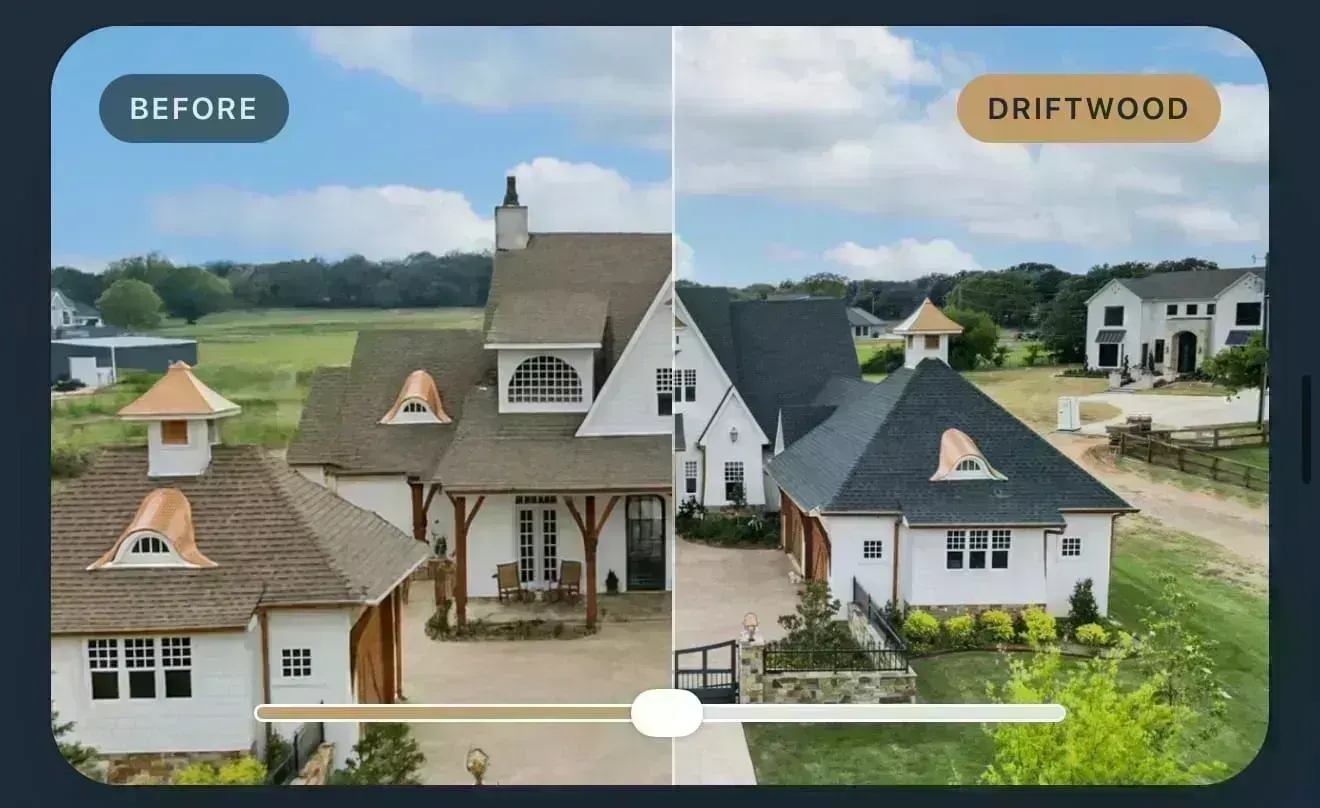
After the work is done, do a final walkthrough. Check that the new shingles match the old ones in color and style, if that matters to you. Make sure all debris is cleaned up, and ask for a written warranty on both materials and labor. A good contractor will stand behind their work. Also, keep all receipts and paperwork for your insurance claim and for your own records. That documentation can help if you sell the house later or if a problem shows up down the road.
Final Thoughts
Storms happen. A well-handled roof repair after storm can actually leave your home better protected than it was before. Use the event to fix known issues, upgrade materials, and improve energy efficiency and ventilation. Take your time choosing a contractor and materials. And never underestimate how fast water damage and mold can spread. A little urgency now can save you thousands later. If you are in North Texas, you already know the weather can change in minutes. Being prepared means you can handle whatever comes next without losing sleep.